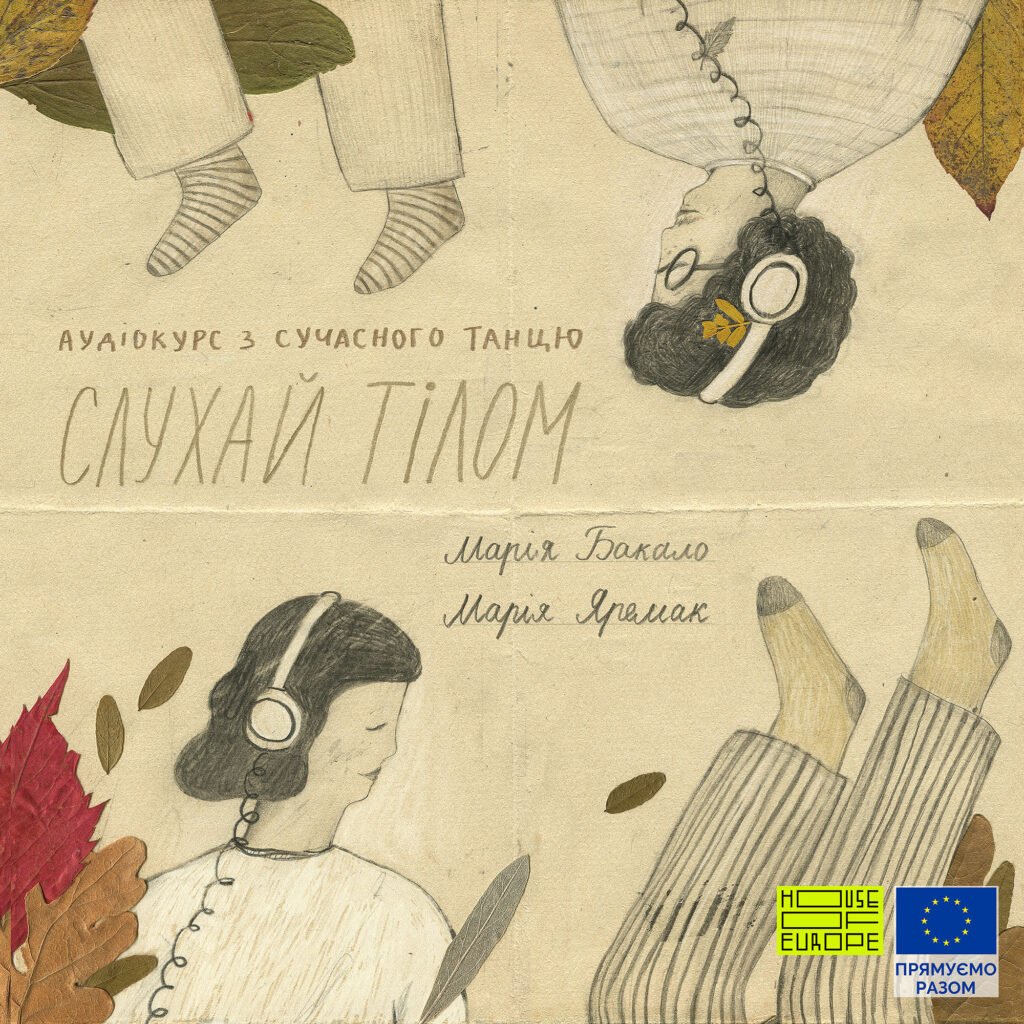
Mariia Yaremak · Mariia Bakalo
Listen With Your Body
An audio course in which sound and movement become a sincere conversation with yourself
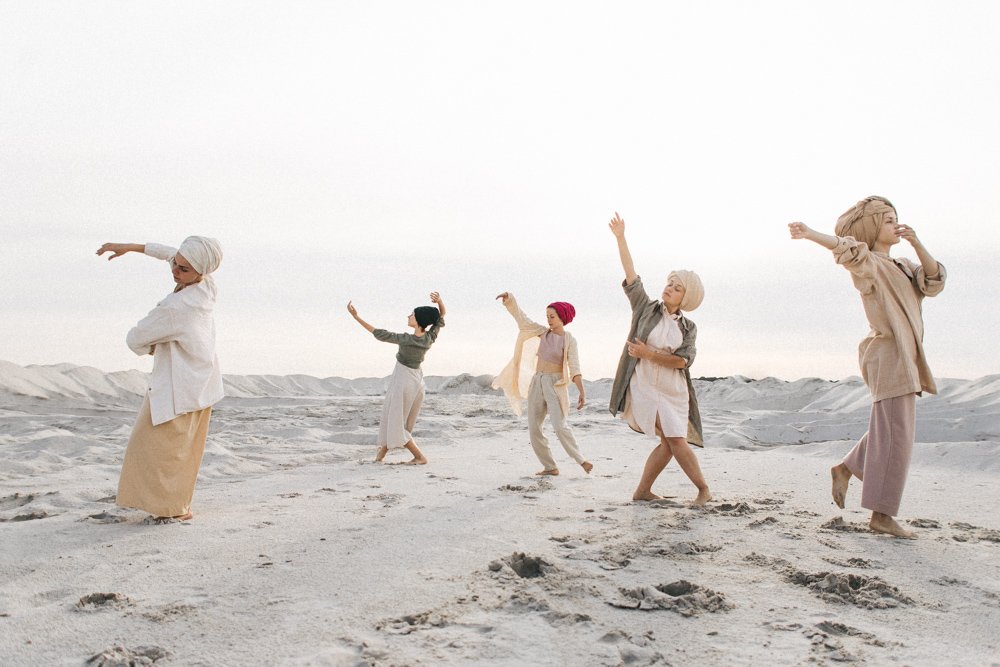
For three years, composer Mariia Yaremak and choreographer Mariia Bakalo worked on the idea of a project that would help you turn inwards, listen to the needs of your body and discover a variety of contemporary dance and somatic practices.
Wherever you are – at home, outdoors or on public transport – you will find the practices that suit you best at that very moment. You can repeat them as many times as you like, adapting them each time to what your body wants today.
Please note: the audio course is in Ukrainian.
Buy the audio courseThe course includes:
Audio journeys
Fairy tales and meditations for our ears, imagination and body
Active practices
Exercises that help you get moving and warm up your body
Contemporary dance
Current contact improvisation techniques
Interactive
Interaction with 3D sound, exercises to train concentration and attention
Working with emotions
Practices for calm, reflection, balance and grounding
Self-discovery
Exploring your body’s needs to hear your inner voice and find a deep connection with yourself
8 sessions of 45 minutes
Each session contains several practices focused on a specific task. You can take the whole lesson at once or choose particular parts of it.
We offer complete freedom in interpreting and performing the lessons, so whatever feels right, interesting and necessary to you is the best possible way to do it. Remember: every movement you make is beautiful and unique, so as long as courage and curiosity stay with you, move freely and confidently.
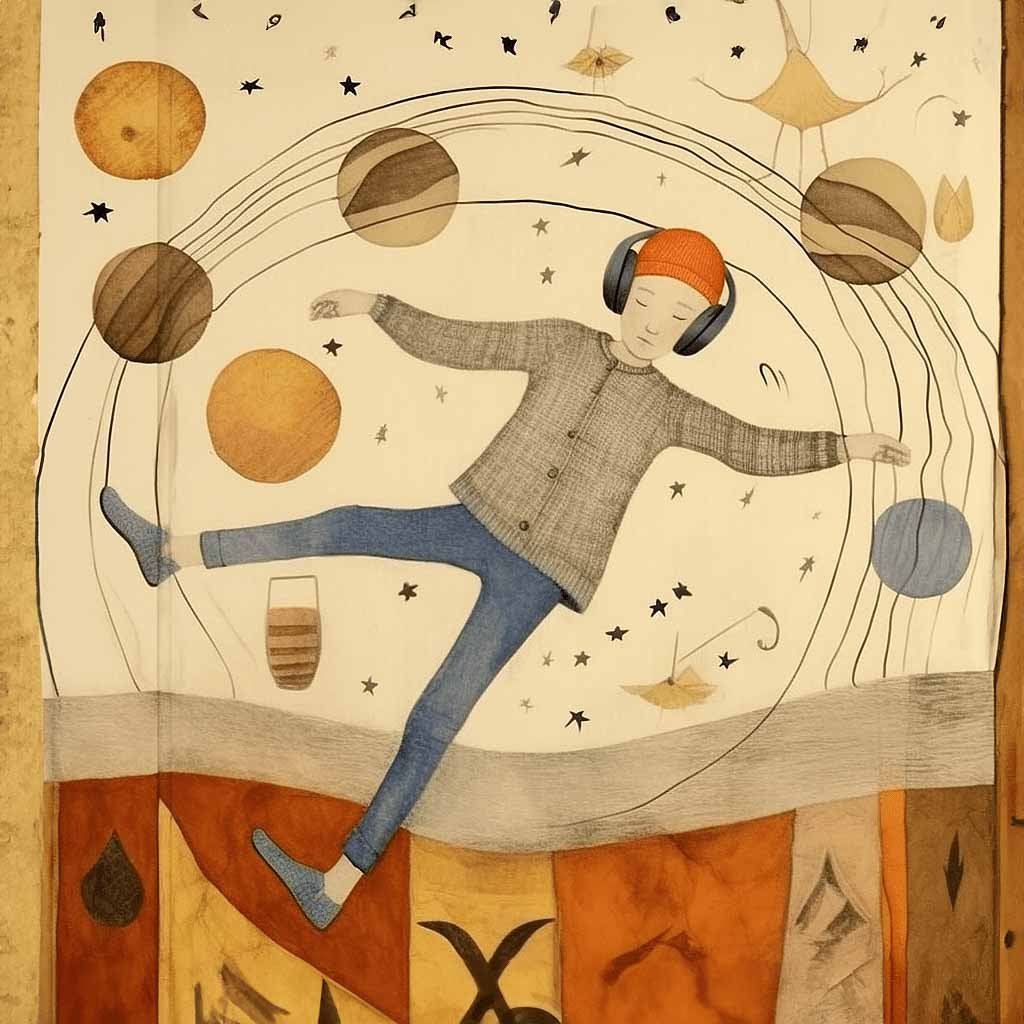
Audio session 1
Turning inwards. Finding support and your inner voice.
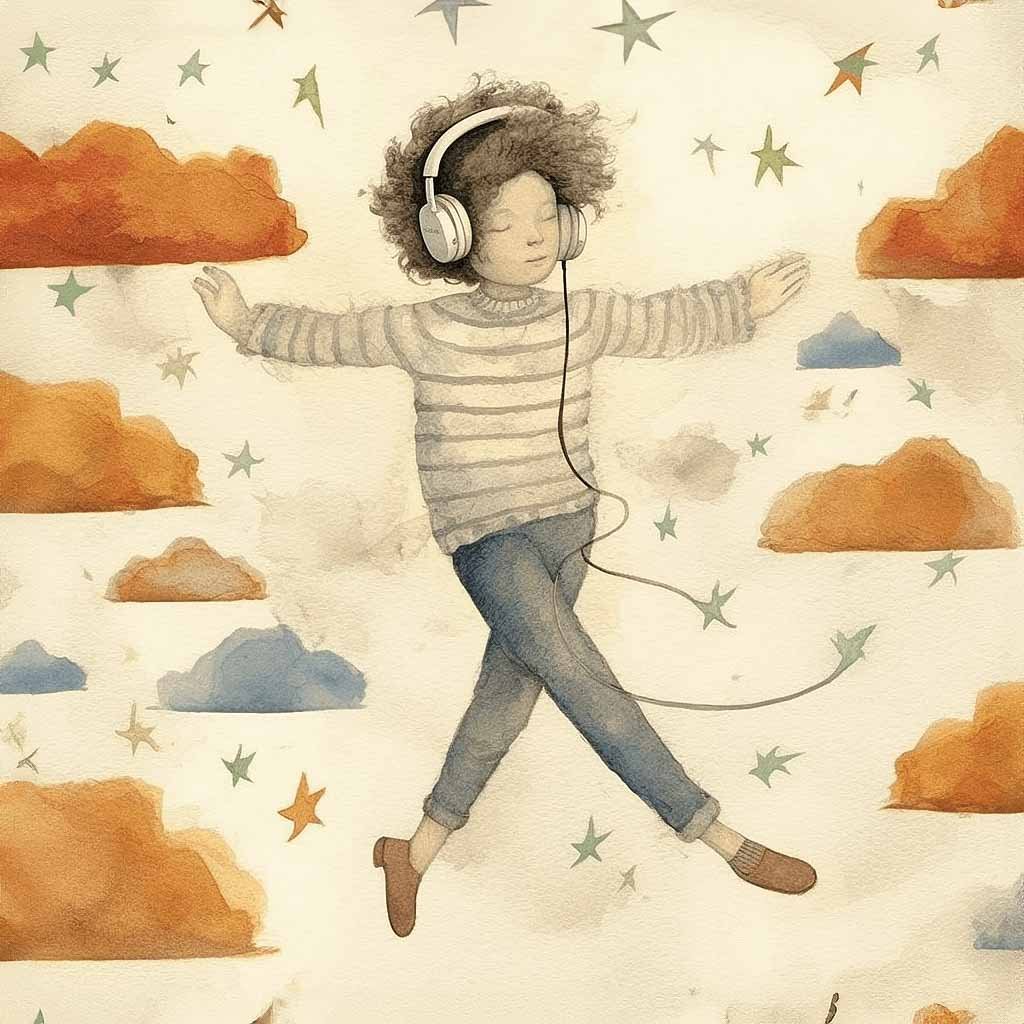
Audio session 2
Breathing and letting go. Exploring the body through tension and relaxation.
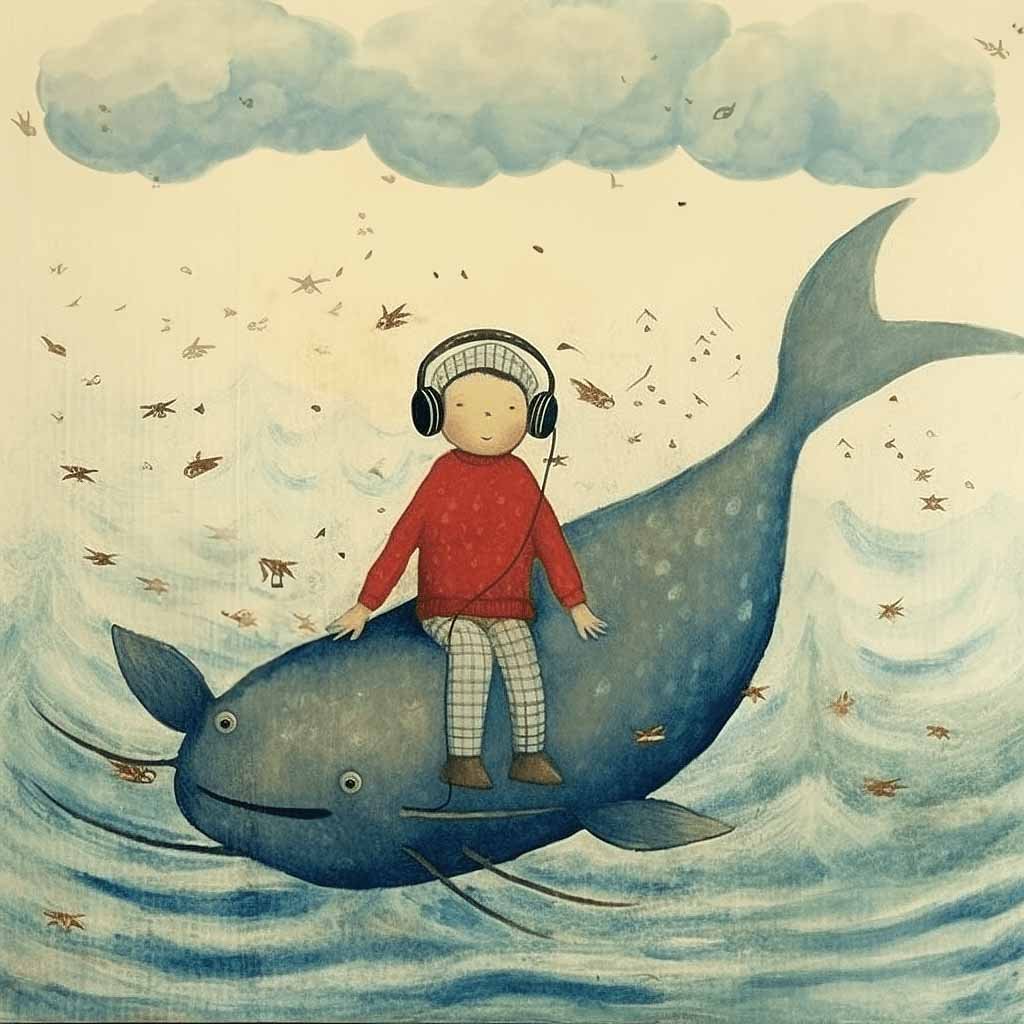
Audio session 3
Tuning the connections in the body. Audio journeys.
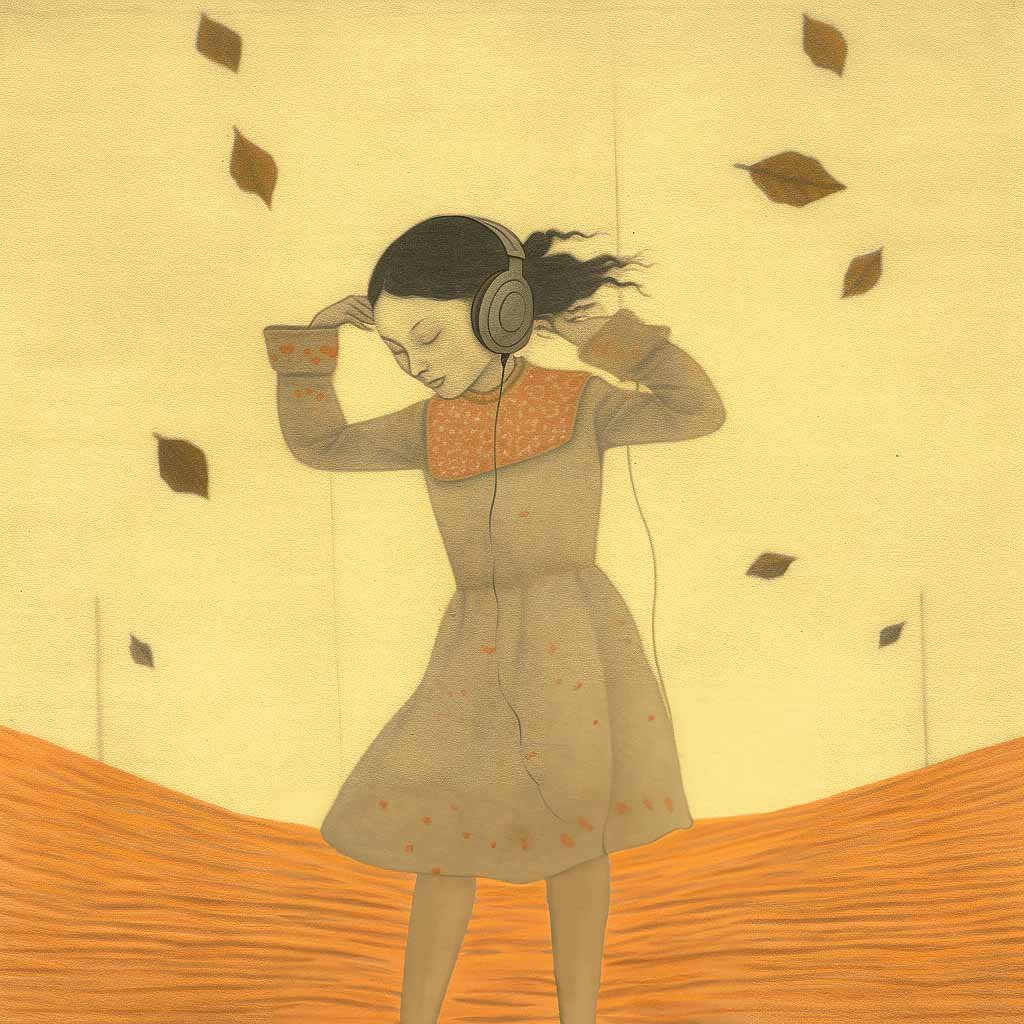
Audio session 4
Working with imagination and different spaces. 3D experiments.
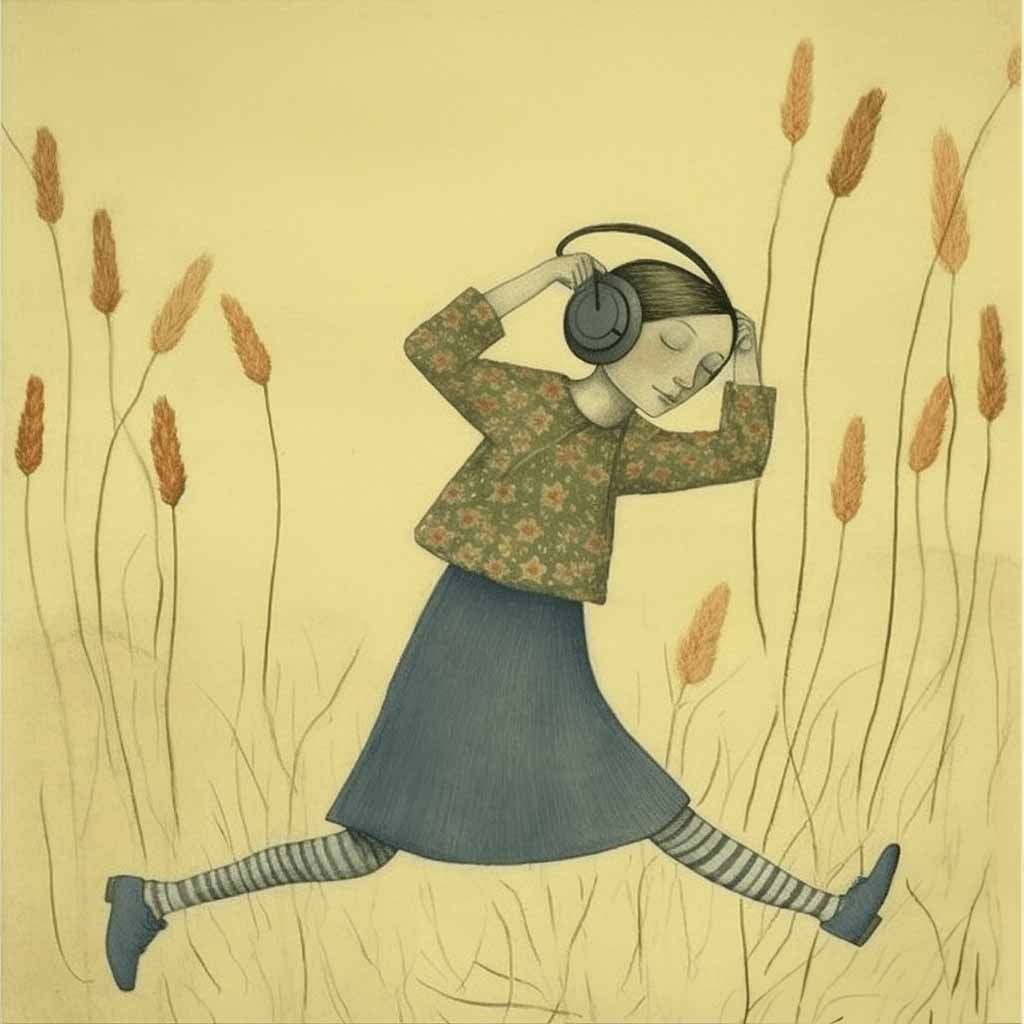
Audio session 5
Practices for mobility, concentration and attention. Audio fairy tales.
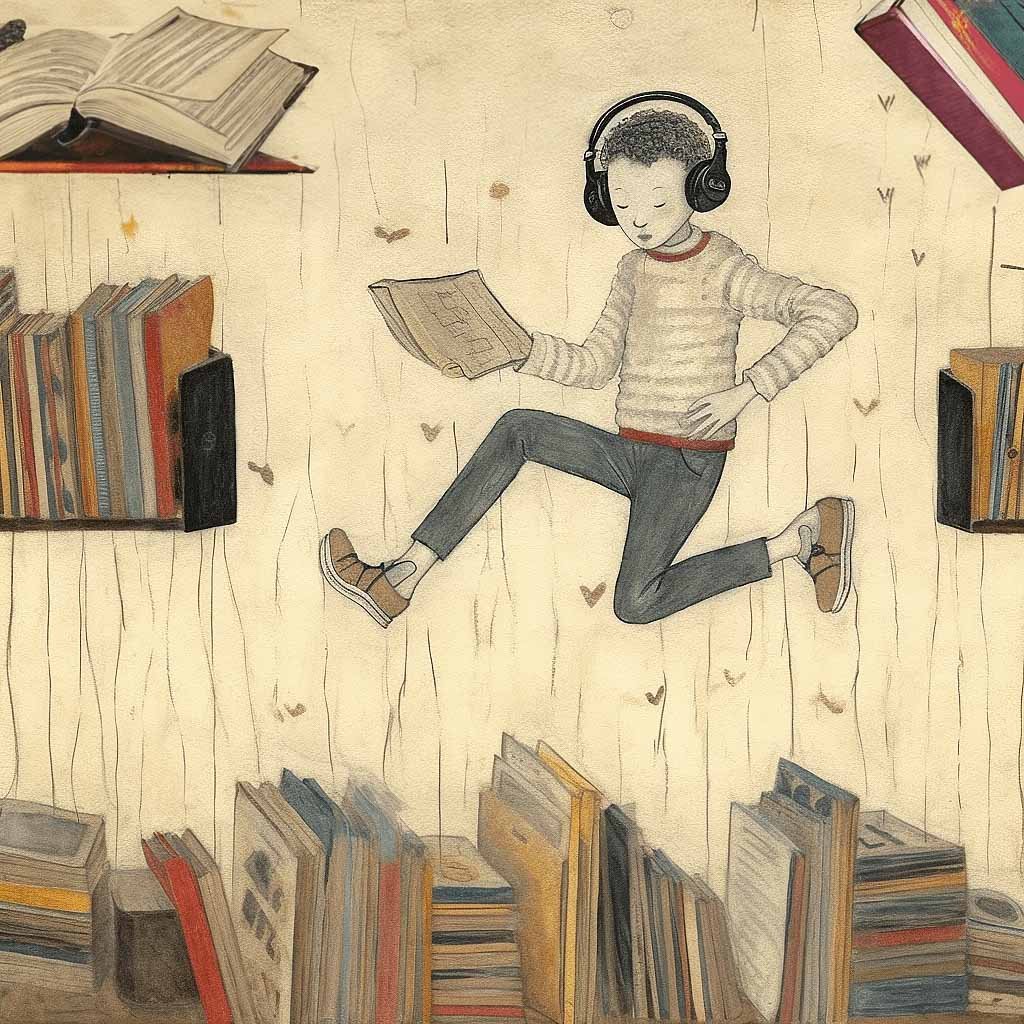
Audio session 6
Interacting with the surrounding space.
Audio session 7
The philosophy of movement and spatial poetry.
Audio session 8
Smells, colours, shapes and sounds. How external factors affect movement.
The course is perfect for anyone who
- wants to discover their body and its possibilities
- seeks to develop imagination and creativity through movement and self-reflection
- is interested in contemporary dance and wants to understand it more deeply
- is looking for engaging, interactive practices to connect with their body
- is learning to improve self-awareness and their relationship with their own body
- uses dance and movement as a tool for self-expression and creativity
- wants to improve their physical mobility and coordination
- wants to find a way to relax and relieve stress through somatic practices and meditation
“The content is original and created with great love, which we want to wrap you in, relying on the lightness of the audio format. We recommend using headphones!”
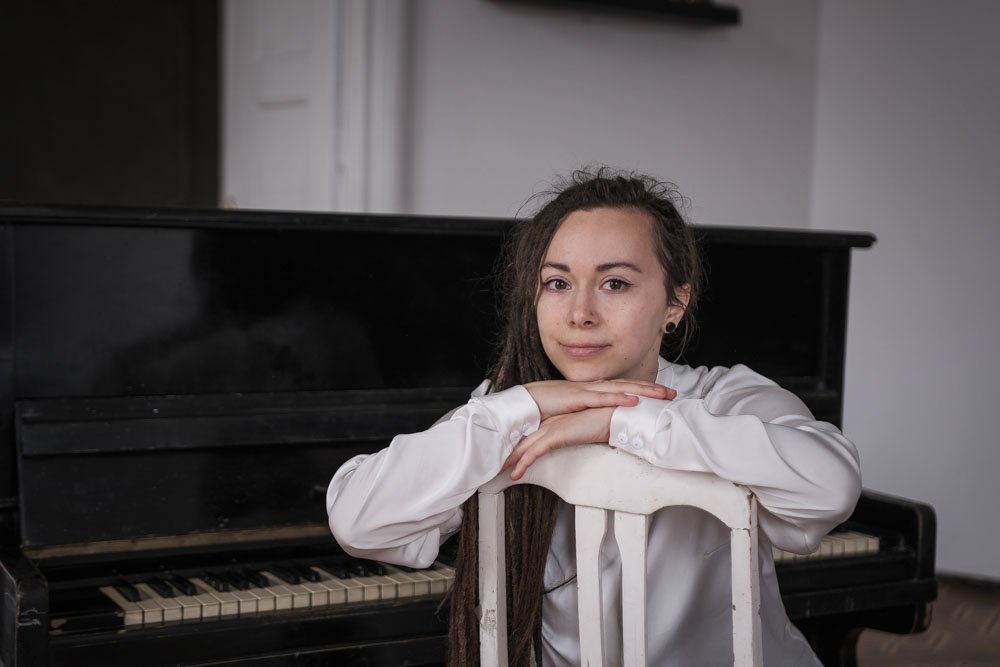
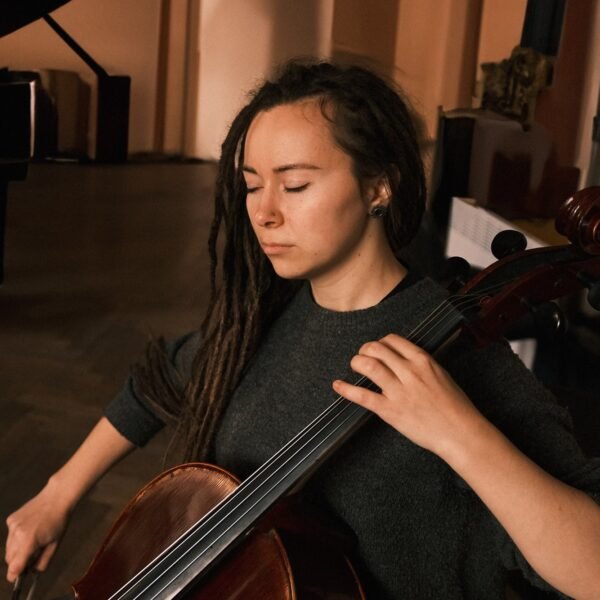
The sound of Mariia Yaremak
Mariia Yaremak is a Ukrainian composer and arranger who has taken part in numerous music projects around the world in recent years.
Her works have been performed at an event attended by the British Royal Family and in Europe’s most renowned concert halls, have accompanied performances in Hollywood and have gathered more than two million views on social media.
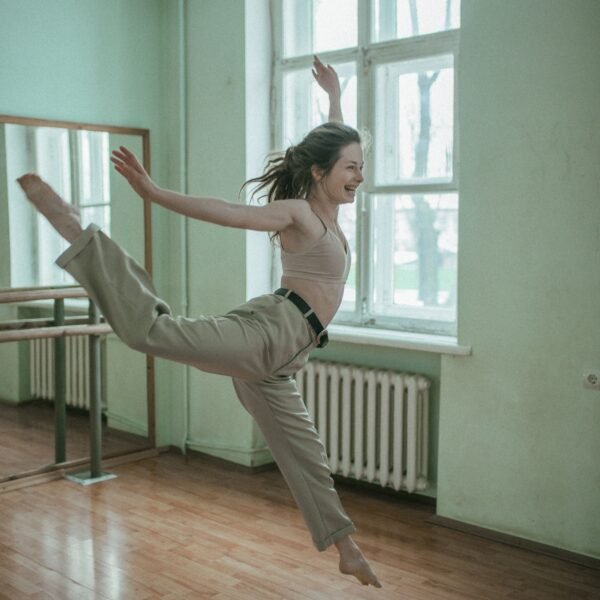
The movement of Mariia Bakalo
Mariia Bakalo is a Ukrainian dancer, choreographer and teacher. She is currently studying for a master’s degree in experimental choreography at the University of California, Riverside.
Mariia works closely with Ukrainian cultural venues and artist residencies, as well as cultural institutions in Germany, Austria, Lithuania, Britain, Algeria and the USA. She has received grants from the Gluck Fellowship (2022–2023), Danceweb Fellowship (2022) and i-Portunus (2019).
Your questions
If I have no choreography training, is this audio course right for me?
Our sessions are designed for both beginners and experienced dancers. Everyone can follow the audio instructions as far as their body, previous experience and the space around them allow. Each practice can be repeated as many times as you like.
When is the best time to listen to the audio lessons? Which session is right for me?
It is best to choose a time of day when you can set aside an hour for yourself. This can be in the morning or in the evening (during a work break you can do one of the practices on its own).
Some lessons are softer and smoother, some are more active, and some alternate active and slow exercises to balance the body.
We recommend first going through all the lessons from the first to the eighth to get to know all the material, and then experimenting and changing their order depending on your preferences and your body’s needs.
Do you have materials I can listen to outside the main course?
We share plenty of additional free materials on our social media.
Do I need headphones?
We recommend using headphones for the lessons, as some of the 3D sound exercises require spatial audio.
But you can also do the practices with other audio devices.
Can children join the sessions?
Most of the practices were created for teenagers and adults, but there are many exercises (such as audio fairy tales, audio journeys, warm-ups and spatial exercises) that are well suited to children too ♥
Do I need to warm up before a session?
The sessions already include the necessary warm-up. The first practices usually help you bring your attention back to your body, breathe out (or warm up) and prepare for the next tasks.
Can I split an audio session into parts?
Each lesson has its own theme and includes a variety of exercises to explore it. That is why we recommend doing a lesson in full. But if you are short of time, you can always split a lesson into several parts (each practice takes 5 to 15 minutes) or choose your favourite practices and repeat them many times by skipping to the right place in the lesson.
What language is the course in?
All audio sessions are recorded in Ukrainian. The practices are guided by voice, so you will need to understand Ukrainian to follow them.
How do I pay and get access to the course?
Payment for the audio lessons is made via the WayForPay payment system.
After payment, you will receive an email with access to the sessions in our private Telegram channel.
Reviews
I love breathing. And it was a discovery for me that breathing is also a dance. I really like this format. It stops you and your chaos and makes you look at the essence. I admit it was hard at first, I didn’t always feel like concentrating, but it’s so worth it! I felt clarity in everything, both mentally and physically. It brings structure and presence.
 Yeva Sai
 Thanks to the audio lessons, you can focus on your own sensations and movements, “ground” yourself and let go of unnecessary thoughts. They help you realise that this is your body, you exist, you are alive.
 Olha Lyseiko
 I really liked the part where you had to move at 1%. In my opinion, it’s simply brilliant. Incredibly meditative.
 Mariana Hasiak
 Practices in this format are the most effective for developing embodiment and bodily intelligence, because there is no reflex to peek at the instructor, teacher or choreographer. And that is exactly what helps you learn to listen to your own body.
 Olha Drobysh
 This is the first time I’ve come across this kind of dance lesson. I liked that, by following the voice (which gave very detailed and clear instructions), you really start to feel your body’s own tempo and the vibrations coming from within. The music conveyed the atmosphere well, but at the same time it didn’t confine me to a strict rhythm that would force me to follow its pulse.
 Mykhailo Akhekian
 Let’s stay in our bodies 🤍
Collaboration
mariia.yaremak.official@gmail.comContacts
listenwithyourbody@gmail.com