
 General Projects
2021-2026
/ 6
Music for Ukrainian cinema
Role: composer, arranger
Location: Lviv
2021
‘The Unknown Bortniansky’
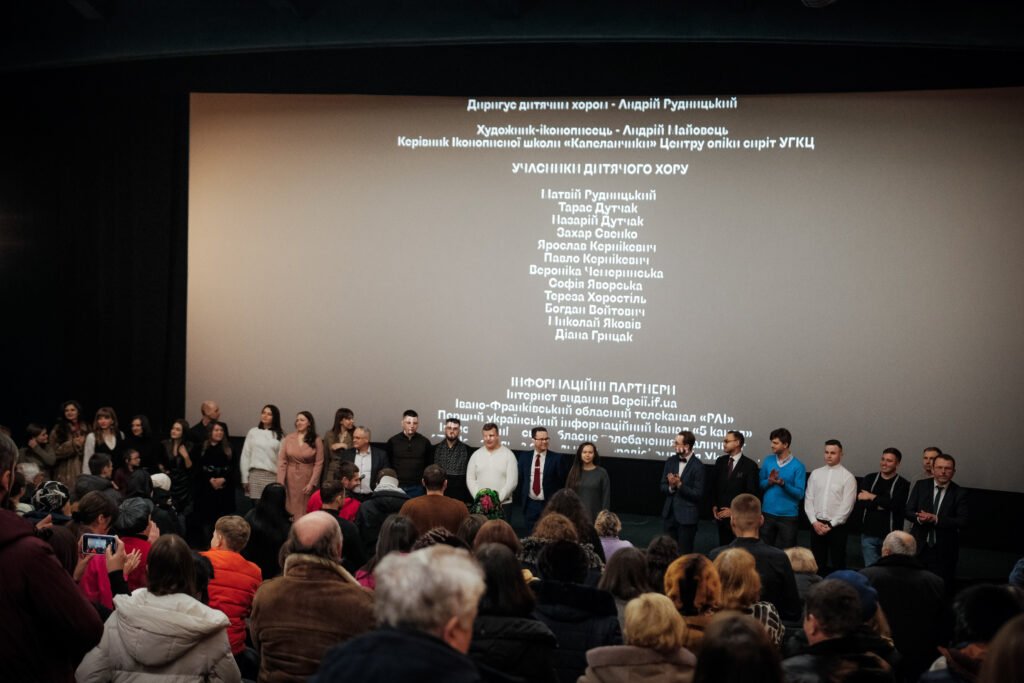
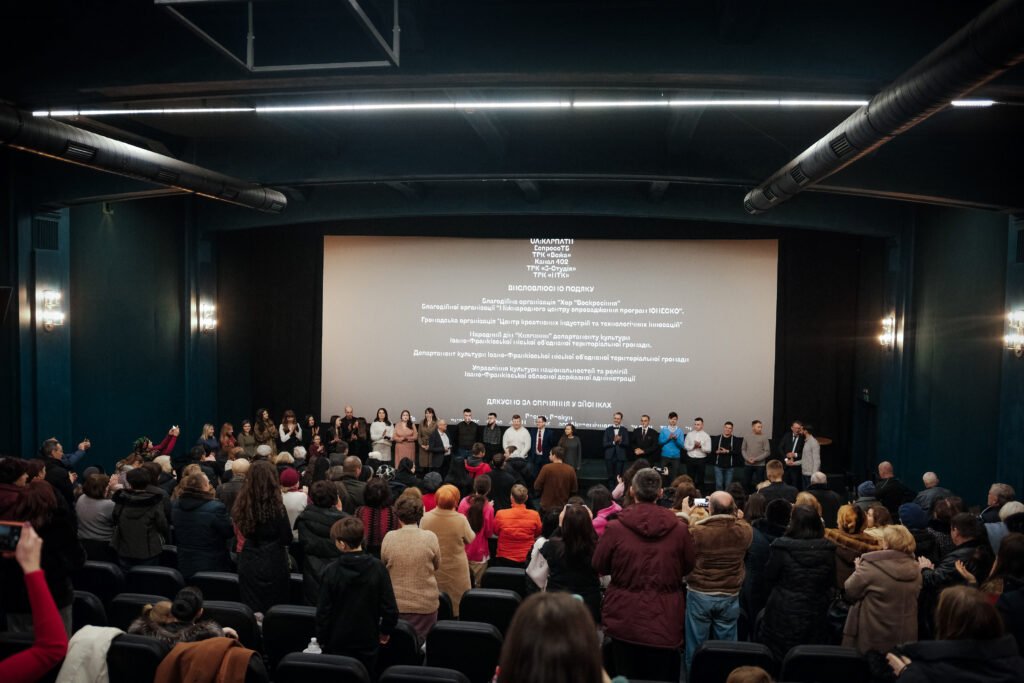
‘The Unknown Bortniansky’ is a series of five documentary films dedicated to the legacy of the Ukrainian composer Dmytro Bortniansky (1751–1825), created to mark the 270th anniversary of his birth. Filming for the project took place in the Ivano-Frankivsk region with the support of the Ukrainian Cultural Foundation.
As part of the project, five previously unknown choral concertos by Bortniansky were rediscovered, recorded by the ‘Voskresinnia’ choir and presented as high-quality television content on national and regional TV channels.
2022
‘Kyrylo Stetsenko. The Mercy of the World’
‘Kyrylo Stetsenko. The Mercy of the World’ is a documentary film marking the 140th anniversary of the birth of the great Ukrainian composer Kyrylo Stetsenko (1882–1922), produced with the support of the Goethe-Institut and the German Federal Foreign Office.
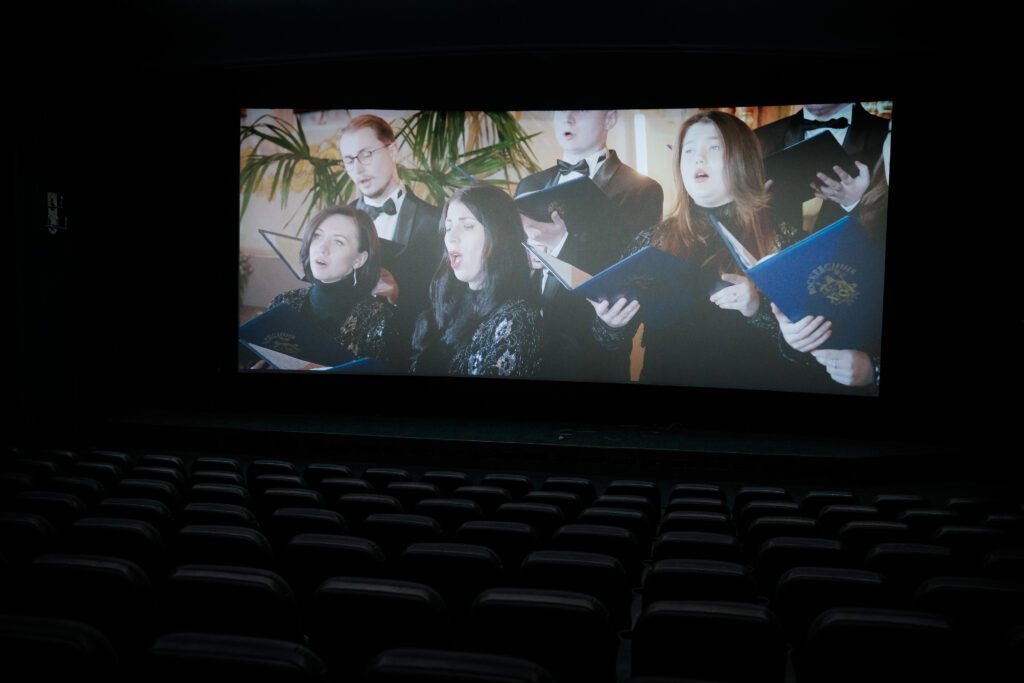
The film features six different performances of Stetsenko’s sacred work ‘The Mercy of the World’ by the ‘Voskresinnia’ chamber choir, as well as commentary from historians, musicologists, clergy and artists.
Mariia Yaremak joined the project as a composer, working on the musical material and highlighting Stetsenko’s style, melodies and choral passages in order to preserve and present his legacy to a wider audience.
2022
‘Roots’
‘Roots’ is a short video poem about Ukraine, directed by Oleksandra Komisarova with music by Mariia Yaremak.
The film was selected as one of the top 10 finalists from 103 entries at the ‘Cyclop VideoPoetry Festival’ in Norway. The film was produced with the support of the Stabilisation Fund for Culture and Education of the German Federal Foreign Office and the Goethe-Institut.
2024
‘Perelesnyk’
‘Perelesnyk’ is a Ukrainian short film in the horror-fantasy genre that has become a genuine viral hit on YouTube and TikTok. The project was created by directors Lyubov Pavlova and Oleksandra Kadnikova with the aim of promoting the genres of mysticism and horror, which are niche within Ukrainian cinema.
Plot: the story centres on Lada, a married woman living in an unhappy marriage to her domineering husband Vasyl. By a lake, she meets a strange stranger who turns out to be the Perelesnik – a mythical creature who takes the form of a handsome young man in order to make girls fall in love with him and drain their strength. The film explores the fine line between true love and dangerous mystical attraction.
Mariia Yaremak created the film’s unique soundscape practically from scratch. Inspired by the whispers in “The Lord of the Rings” and “Dune”, she used multi-layered recordings of her own voice and 3D sound to convey the mysticism of the Carpathians. The soundtrack features traditional ethnic instruments: cimbalom, tambourines, flutes and trembitas.
The project’s success: the film’s budget was just $500, raised through crowdfunding amongst subscribers. Despite this, the film has garnered over 800,000 views on YouTube and sparked a wave of fan art on social media.
2024
‘Malanka’
‘Malanka’ is the latest work from the same creative team, continuing the tradition of Ukrainian horror-fantasy based on national rituals and mythology.
Plot: The film is set on New Year’s Eve. A young girl named Malanka, despite her mother’s ban on fortune-telling, tries to glimpse her future through the ‘mirror corridor’ to see her destined husband. She later joins a group of masked revellers and meets the enigmatic Vasyl. However, the festivities turn to horror when it transpires that Malanka is in fact already dead and that this evening marks the 40th day since her death. Vasyl, who turns out to be a guide to the afterlife, gives her a short time before dawn to say a final goodbye to her mother.
The film’s music is based on a reinterpretation of traditional carols. The central theme is ‘Shchedryk’, which, in the context of a horror film, takes on a mystical and unsettling tone, emphasising the inevitability of the protagonist’s earthly journey coming to an end.
Mariia Yaremak was responsible for creating the atmosphere of the afterlife through a combination of folk motifs and ambient sounds, helping the viewer to sense the protagonist’s transition from reality into mystical oblivion.